Owner-controlled
The Site Manifest, operational data, keys, exports and restore path remain with the building owner.
OPEN BUILDING PLATFORM · NORWAY
Arealoom is a local-first foundation for lighting, climate, energy, access and technical operations. Keep the equipment that works. Upgrade what must change. Train your own team to carry it forward.
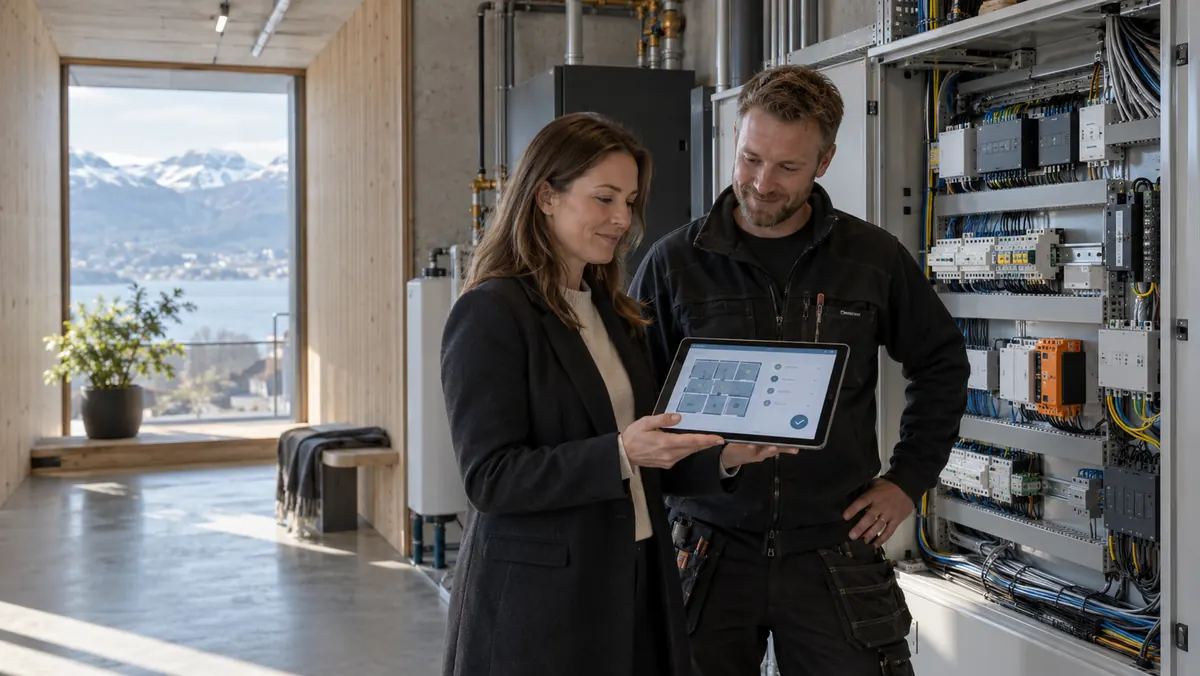
ONE OWNER JOURNEY
The Site Manifest, operational data, keys, exports and restore path remain with the building owner.
Adapters declare the exact models, firmware, permissions and evidence they support.
Planned, simulated, bench-tested and production-observed are different states—and stay visible.
INTEGRATION HAS CHANGED
Open protocols, edge computers, containers, simulators and agent-assisted engineering have made cross-vendor integration remarkably practical. Our experience spans software, networks, automation, energy, electronics, security and operations, so permissions, failures and recovery are designed as one system—not left between suppliers.
The most sustainable component is often the one you do not need to replace. Retaining sound equipment reduces electronic waste, material use, disruption and retraining.
Upgrade one part—not the whole building. Obtain the reader, sensor, controller, heat pump, energy meter or software you prefer, and we map its interfaces, simulate the failures and integrate it with you. The new component remains replaceable later.
With the right support, an experiment becomes a controlled delivery. For an agreed project we can make the documented process and acceptance boundary contractual: defined scope, reviewed interfaces, security tests, failure scenarios, rollback, upgrade path and handover.
This creates a reviewable security method across the integration—not a blanket guarantee for unknown hardware or unmeasured outcomes. Field superiority will only be claimed after documented physical pilots and adversarial testing.
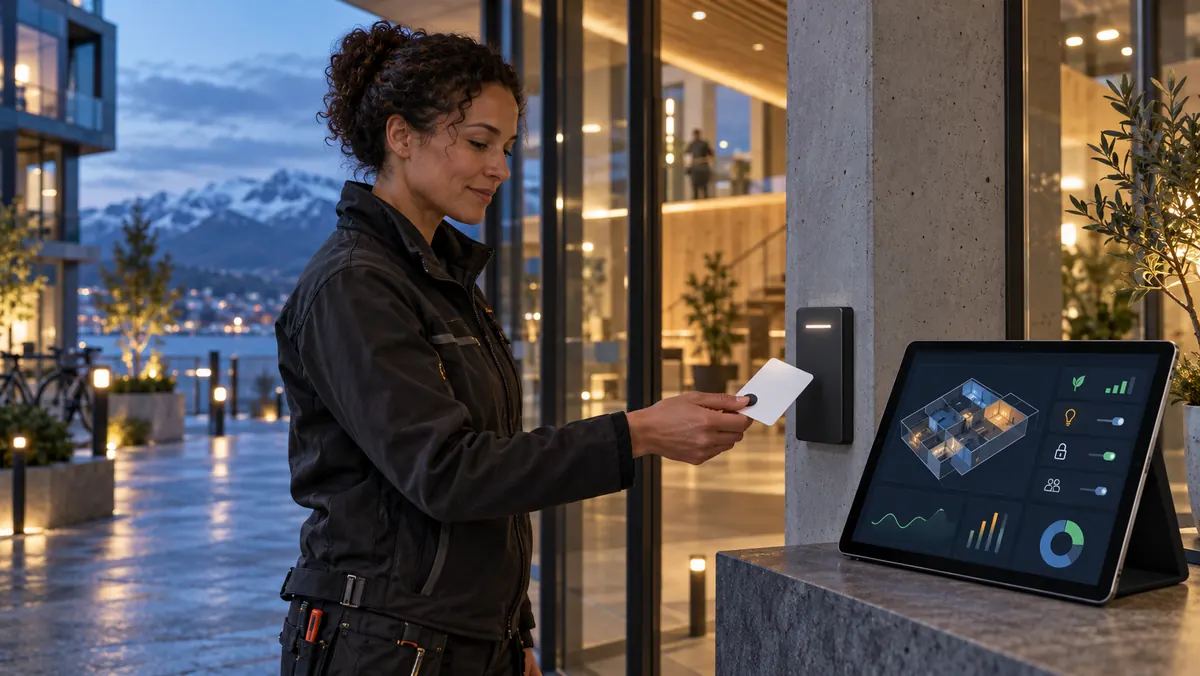
AN OPTIONAL ACCESS UPGRADE
Our open bridge is designed for match-on-card. Arealoom receives a bounded verification event—not a fingerprint image or reusable biometric template.
Concrete example: Excelsecu Data Technology Co., Ltd.'s eSecuCard-F320 is one commercially documented candidate. Its public specifications describe a battery-free dual-interface fingerprint smart card with ISO 7816, ISO 14443 Type A, Java Card 3.0.4, GlobalPlatform 2.2.1 and user-developed applets.
This illustrates the kind of component that can be evaluated and integrated later when a building owner actually needs that upgrade. It is not required for Arealoom.
See the manufacturer's example →ONE CORE · MANY DIRECTIONS
FROM FIRST SURVEY TO INDEPENDENT OPERATION
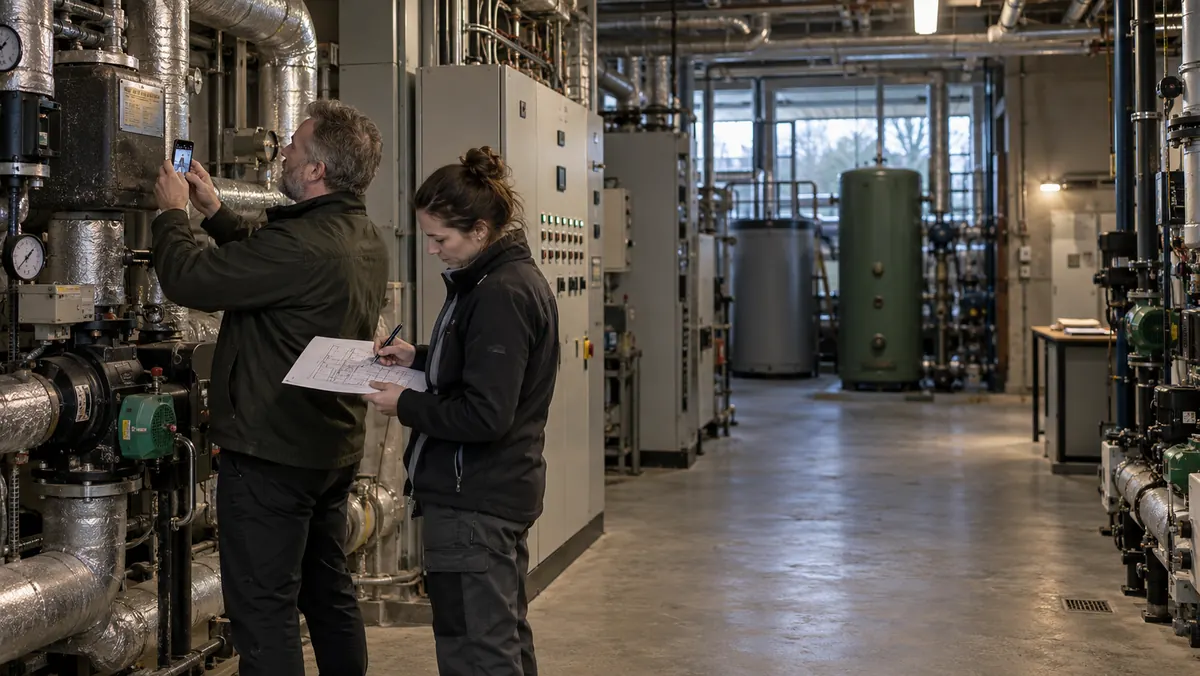

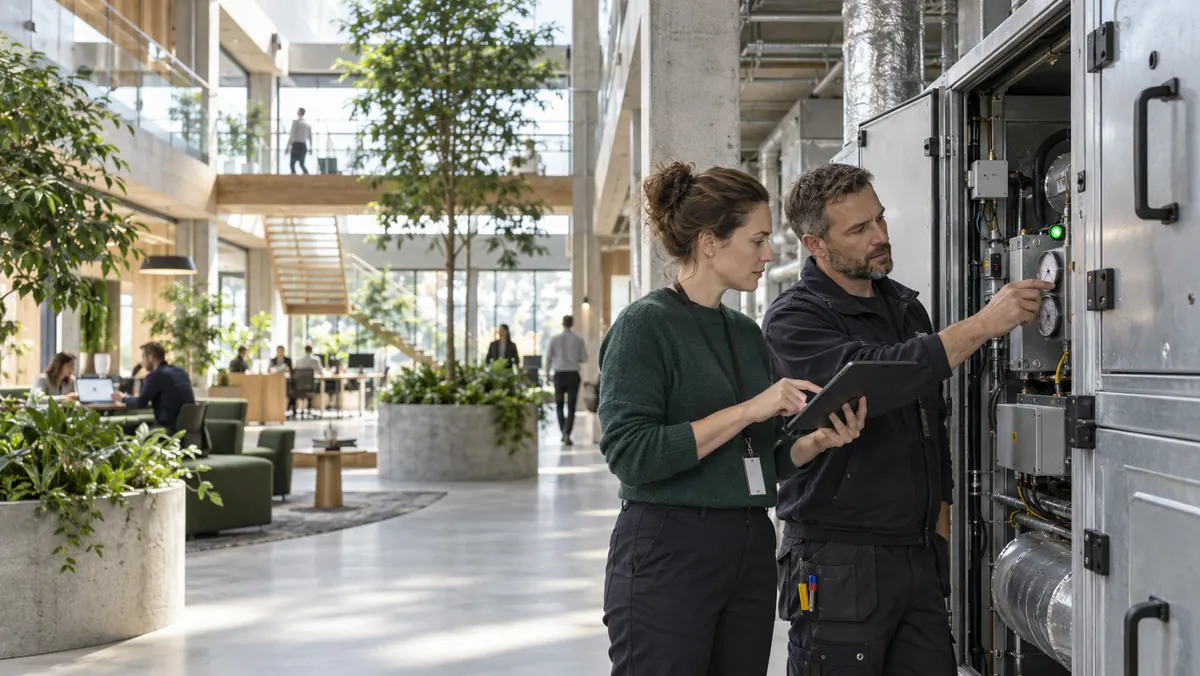
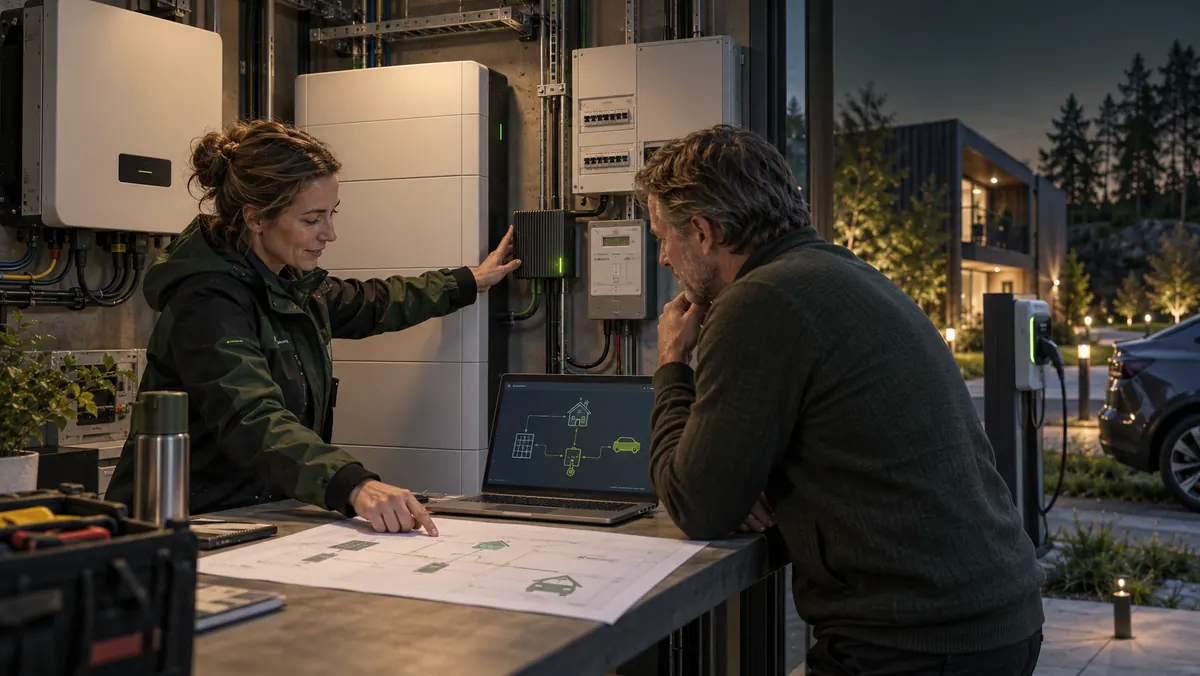
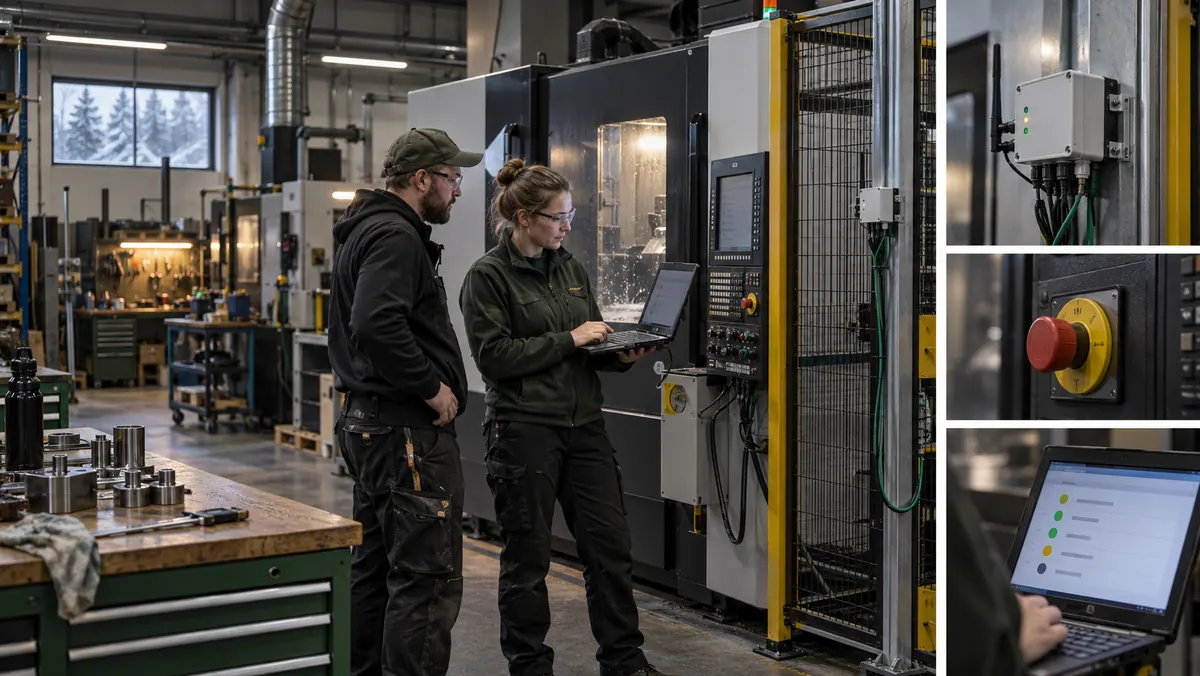
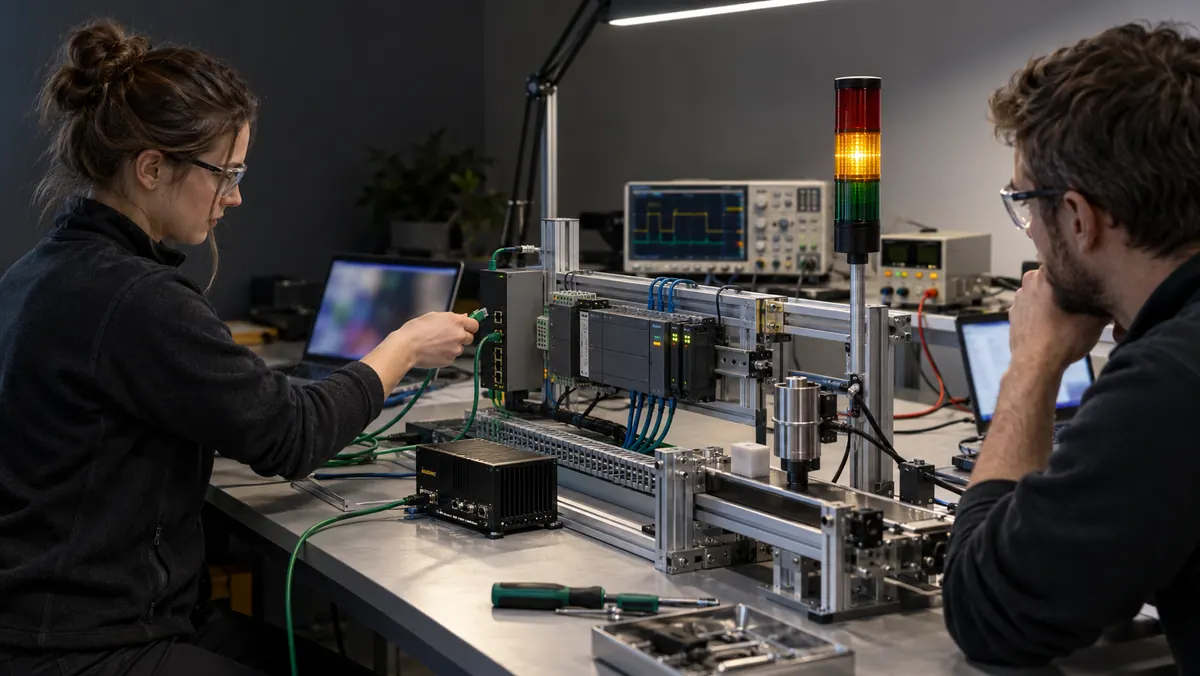
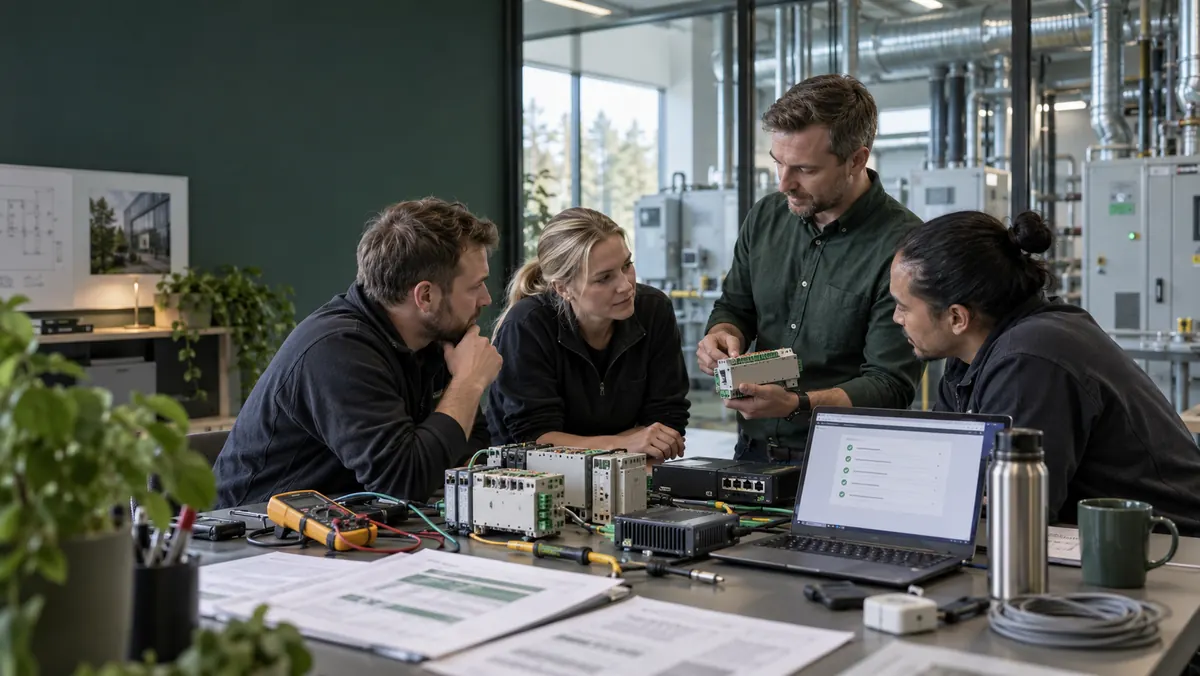
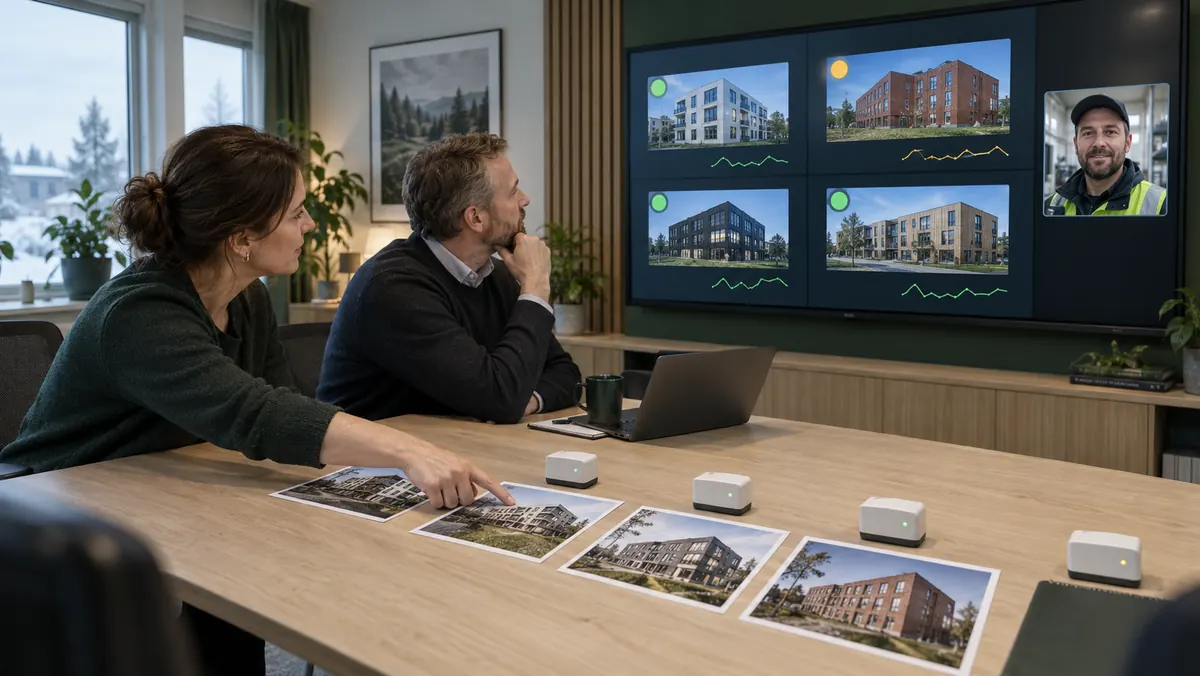
All scenes are original concept images showing intended workflows. They are not photographs of customer deployments.
OPEN EVIDENCE
Arealoom begins with Finn André Hotvedt's existing public SmartHouse and Meta-KNX work, plus a new Apache-2.0 clean-room package. Publishing the foundation makes simple copying uninteresting: everyone may inspect and use it. What organisations engage us for is integration judgment, security, evidence, speed, training and the next modernisation—not access to a hidden package.
DIRECT ANSWERS
Yes. The current clean-room starter, simulator, tests and documentation are available under Apache-2.0. Customer credentials, deployment data and private project modules remain separate.
Arealoom is designed for essential local operation and optional remote services. The current repository proves the architecture and simulator; it is not evidence of a completed physical customer deployment.
No. The method starts by surveying and retaining sound equipment, then replacing only the obsolete, unsafe or strategically limiting layer.
Yes. Training and full handover can include source, configuration, tests, backups, recovery procedures and operating knowledge so the owner's team can continue independently.
No. It is only an example of a possible future upgrade. No physical card has been ordered and no physical evaluation is scheduled for this release.
BUILD IT YOURSELF · BRING US IN WHEN YOU CHOOSE
Start on your own and use our expertise at the point where it creates the most value. We can train your technicians, harden the deployment, build private project-specific modules and secure a documented path for future upgrades—or complete the work and hand over source, configuration, evidence and operating knowledge so your own team can continue independently.
Technology will move again next month. That is expected. The open interfaces and evidence trail make the next change a controlled upgrade instead of another total replacement. Your team may do it, another partner may do it, or you may bring us back for the difficult part.
We welcome serious pilot, integration, installer, technology and investment conversations. The public core stays public. Private or time-limited partner modules are separated clearly, and the building owner keeps an agreed continuity and handover path without forced service dependency.